
Baroness Debbonaire and Lord Frost, members of the Parthenon Project, rally cultural collaboration between UK and Greece
Baroness Debbonaire and Lord Frost, members of the Parthenon Project, rally cultural collaboration between UK and Greece
Why it’s time to return the Parthenon sculptures to Greece.
An opportunity to create new, long-term cultural collaboration between our countries.
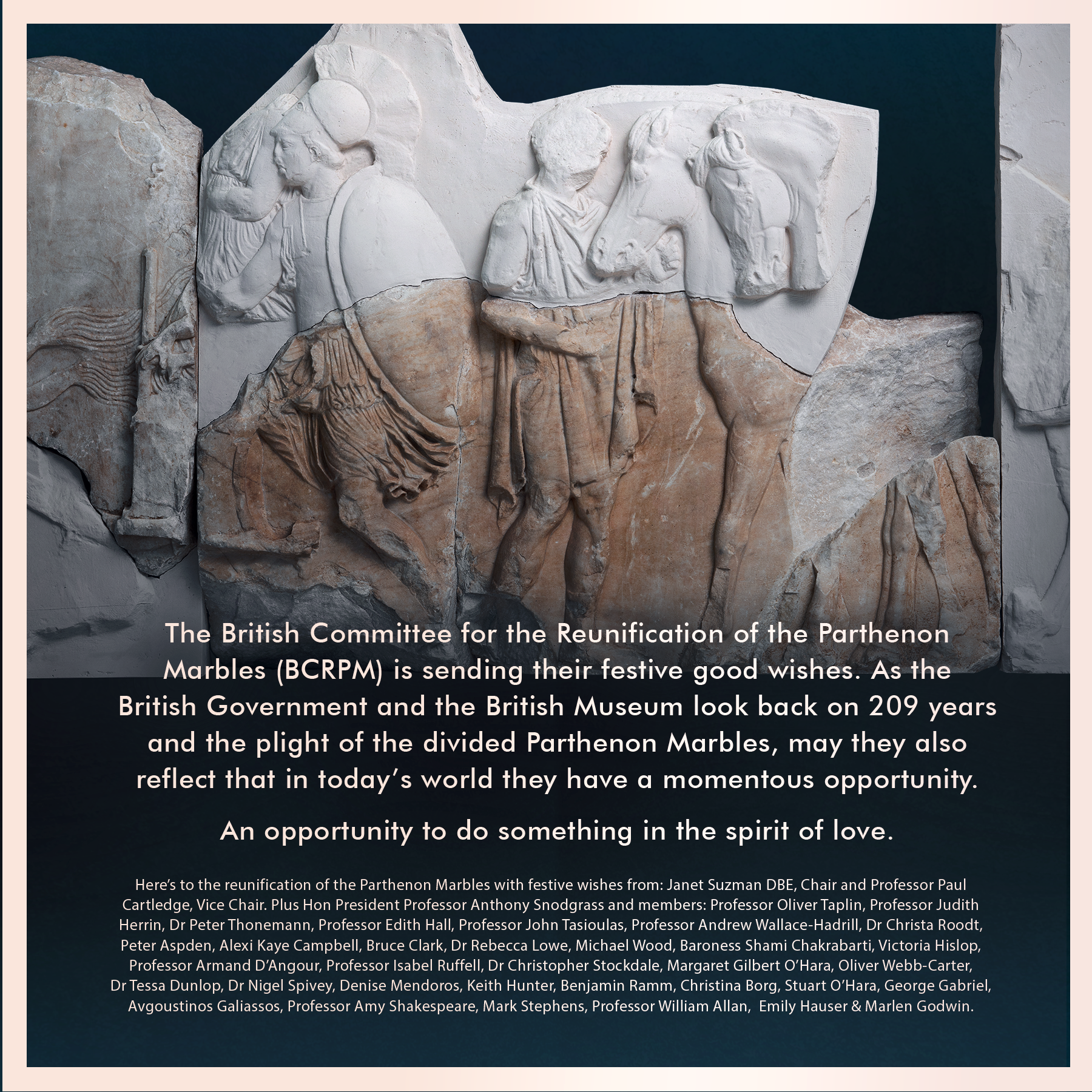
In parliament, we are not normally political allies. One of us sits on the Labour benches, the other on the opposition side. One of us campaigned for Britain to remain in the EU, the other negotiated our departure. But we agree on this: whether we are part of the EU or not, Britain is fully part of European civilisation and culture. That’s why both of us believe it is time to return the Parthenon sculptures to Athens.
Four years ago, talks began between the Greek government and George Osborne, the British Museum’s new chairman, but the initiative got caught up in pre-election campaigning and stalled after a diplomatic spat. The talks about a deal have now resumed, giving us an opportunity to put things back on track.
The arguments over the sculptures are well rehearsed. They are framed in the language of legality, ownership and blame, and all too often lead to anxiety about whether conceding any of these arguments could threaten the integrity of our world-leading collections. The British Museum is embarking on a £1 billion reimagination and renovation programme that centres on the Western Range galleries, where the sculptures are housed. This gives us a once-in-a-lifetime opportunity to apply fresh thinking to this age-old debate.
Some have argued that returning these sculptures would open the door to unending debate and demands for scores of museums and galleries to return historic treasures taken during colonial times. We reject that risk. Athens was never part of a British colony. Britain supported and fought for Greek freedom whenever it had the chance. Debates about Greek cultural assets are entirely different from the wider argument about restitution.
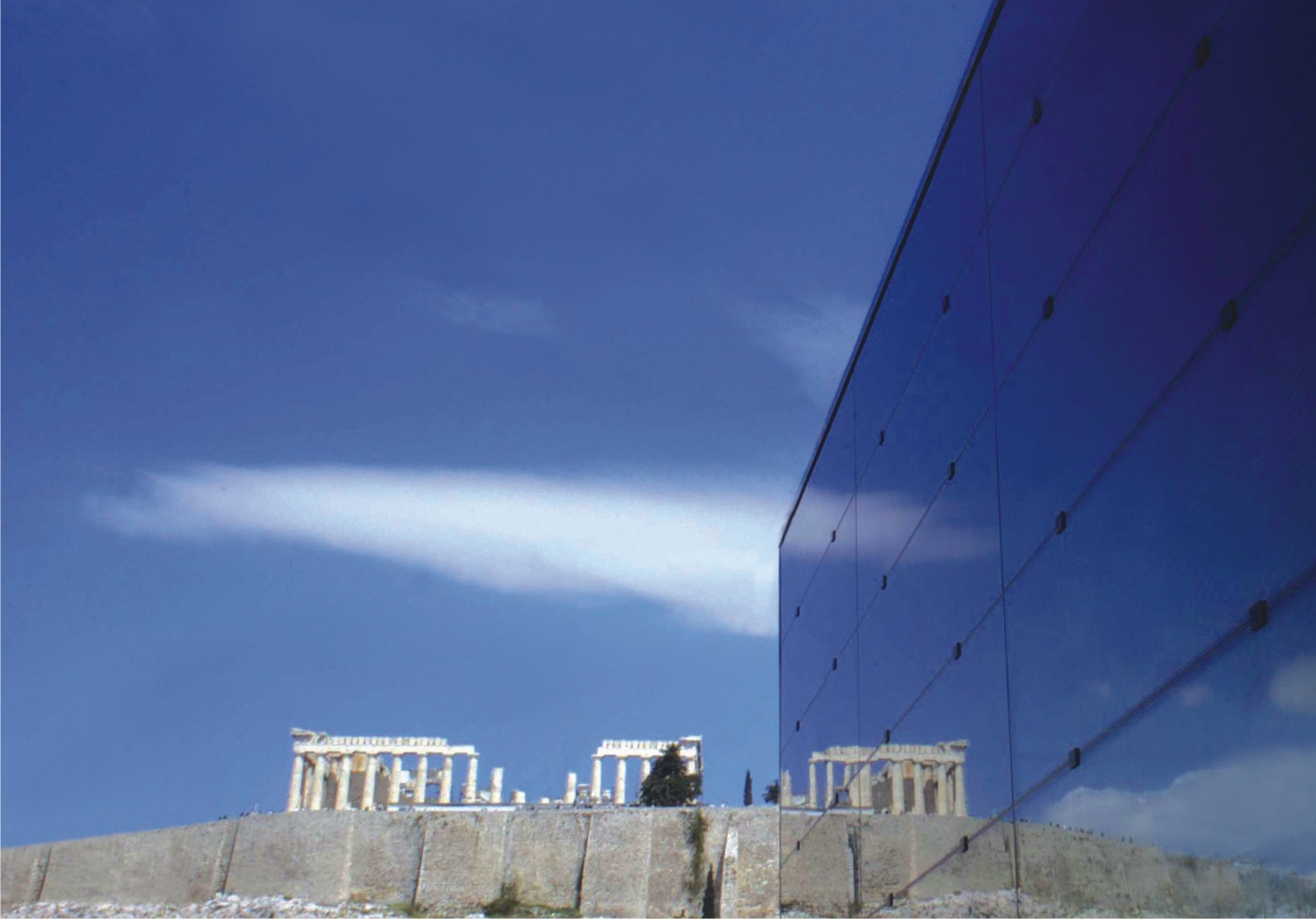
Returning the Marbles to Greece is an opportunity to create new, long-term cultural collaboration between our countries. This is the moment for the British Museum to seize that opportunity as part of its ambition to reimagine itself for the 21st century. The Parthenon Project offers a roadmap for a “win win” deal, within the framework of the British Museum Act: a cultural partnership that paves the way for a broader and deeper relationship securing funding for research, co-curation, scholarship and education, and which will bring great cultural artefacts from Greece to be seen in London, by a different audience, for the first time.
Strengthening our bilateral ties with democratic allies is good diplomacy. A cultural partnership on these terms would enhance Britain’s standing, reflecting a nation that is secure in its identity and unafraid to move forward with confidence.
Baroness Debbonaire is a Labour peer; Lord Frost is a Conservative peer