
Simon Calder, Travel editor for The Independent wrote on #TravelTuesday, 08 July:
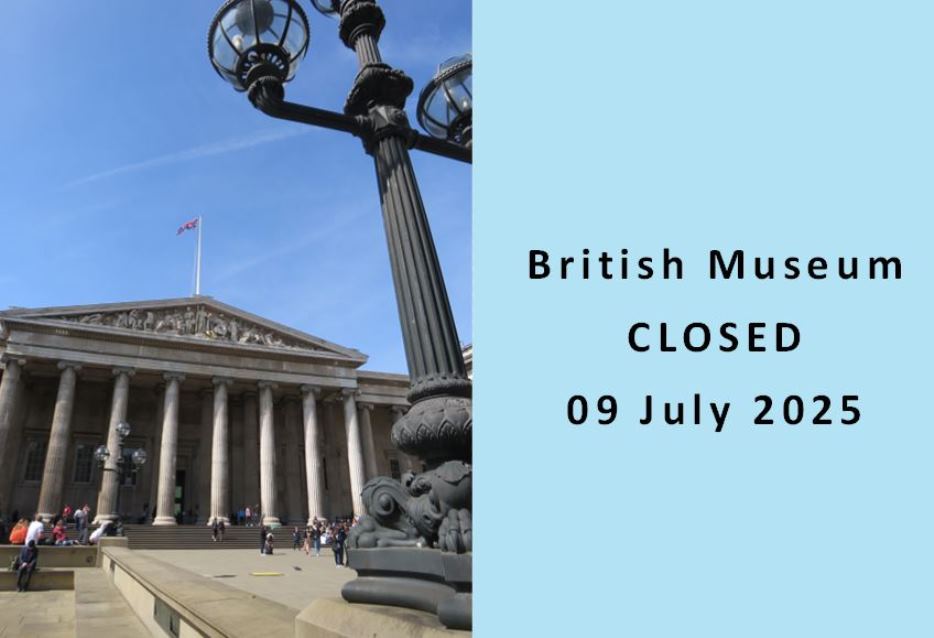
British Museum to close on key day in summer – but it won’t say why
Exclusive: Speculation that the closure is related to French president Emmanuel Macron’s state visit as 18,000 visitors face disappointment.
To read the full article, visit The Independent or follow the link here.
The Independent has seen a message that was sent on Monday to members of the British Museum, who pay £74 annual for admission to exhibitions and members-only events.
It reads: “On Wednesday 9 July, the Museum will be closed for a Museum event. I appreciate this will be disappointing for anyone planning to visit that day and I apologise for any inconvenience this may cause. Although no further details are available at this stage, I am very happy to discuss it further with Members following the event and we aim to be in contact with more information as soon as possible.”
The sudden closure and refusal to reveal the reason have led to speculation online about possible explanations.
The first is that the museum will close for French president Emmanuel Macron, who is on a state visit to the UK.
A historic loan has been agreed to bring the Bayeux Tapestry back to England for the first time in 900 years.
The British Museum will display the tapestry, which depicts the Norman Conquest of England in 1066, in exchange for lending some of its most famous treasures to France, including the Lewis chessmen and items from the Sutton Hoo burial.
The agreement is due to be announced by prime minister Keir Starmer and French president Emmanuel Macron during the latter’s ongoing state visit to the UK, and will be signed by the director of the British Museum, Nicholas Cullinan.
Loans and cultural exchanges the way forward for the British Museum and in turn the UK government to meet restitution requests and to show that cultural co-operation is also functioning in Blighty.
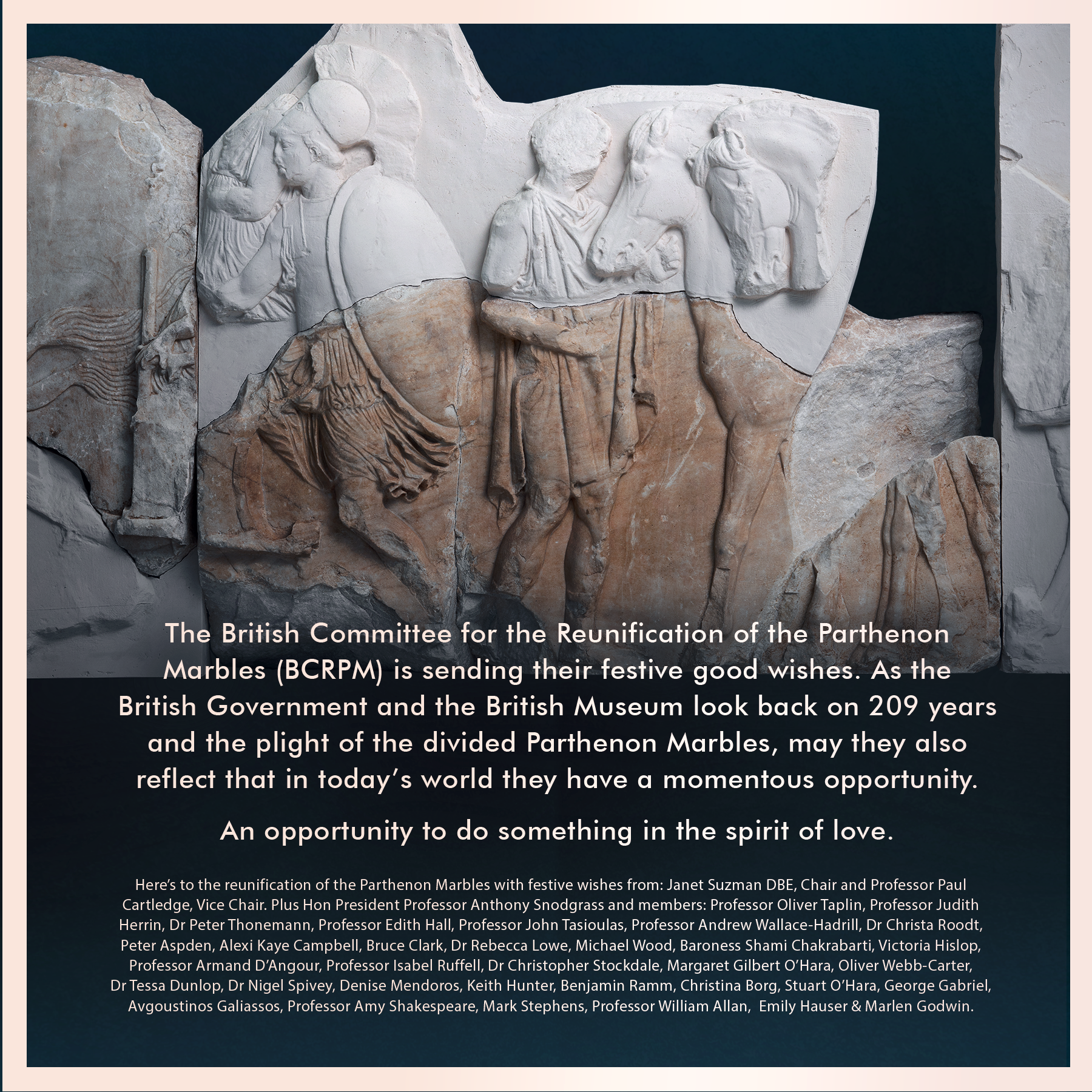
We appreciate the value of cultural co-operation and continue to hope that the issue of the reunification of the Parthenon Marbles will also be resolved in a timely manner without compromise for the sculptures themselves.
The Bayeux Tapestry was too fragile to make the journey to the UK in 2018 when a previous agreement between France and former culture minister Matt Hancock in 2018 after tests found the tapestry was in worse repair than expected.
A major project to conserve the tapestry got underway in January this year. The Bayeux Museum in Normandy, northern France, where it is normally displayed, is due to close this September for a two-year redevelopment, reopening in 2027 to mark the millennium of William the Conqueror’s birth. The museum first opened in 1983.
The British Museum is one of just a few institutions where the tapestry can be safely displayed. The exhibition of the tapestry will likely be one of the museum’s biggest ever blockbusters, on a par with previous bestsellers such as Treasures of Tutankhamun (1972) and First Emperor: China’s Terracotta Army (2007).
Meanwhile, museums in the UK have been invited by the Normandy Region in France to take part in an international programme to mark the millennium of the birth of William the Conqueror in 2027.
We are reminded of Christopher Hitchens’ words when he too suggests that reuniting the Parthenon Marbles would provide the UK with many more great opportunities to celebrate Greece’s rich history and cultural heritage…. Celebrations that would span from Athens’ Acropolis Museum to London’s British Museum. He spoke about this at Chatham House in May 2008 at the launch of the 3rd edition of the book: The Parthenon Marbles, the Case for Reunification. A book that despite it’s years, continues to be the ultimate read in this long running cultural impasse.
And we are also reminded of Christopher’s written words in Vanity Fair, July 2009,The Lovely Stones::
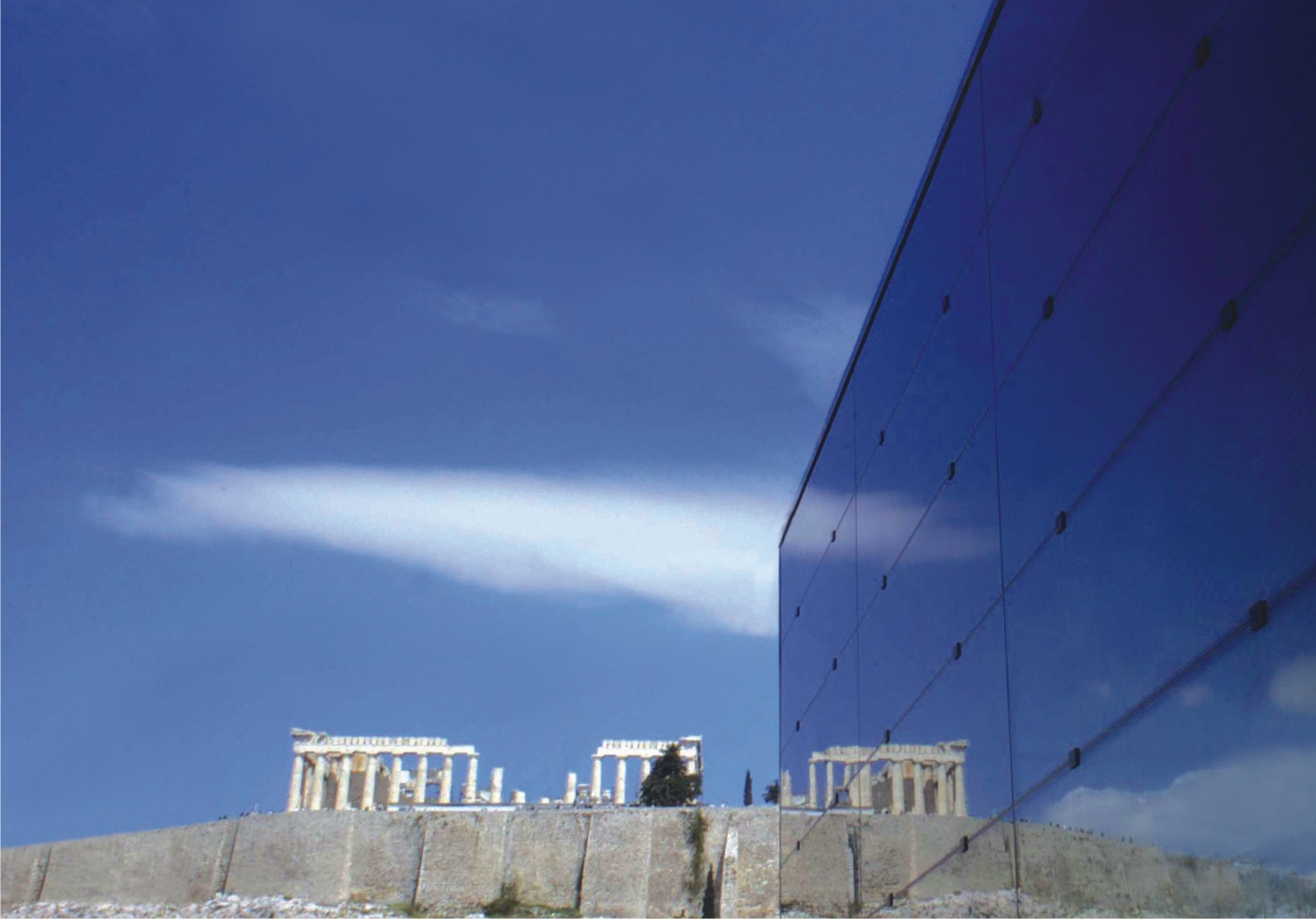
“The Acropolis Museum has hit on the happy idea of exhibiting, for as long as following that precedent is too much to hope for, its own original sculptures with the London-held pieces represented by beautifully copied casts. This has two effects: It allows the visitor to follow the frieze round the four walls of a core “cella” and see the sculpted tale unfold (there, you suddenly notice, is the “lowing heifer” from Keats’s Ode on a Grecian Urn). And it creates a natural thirst to see the actual re-assembly completed. So, far from emptying or weakening a museum, this controversy has instead created another one, which is destined to be among Europe’s finest galleries. And one day, surely, there will be an agreement to do the right thing by the world’s most “right” structure.”