
Latest Posts
Victoria Hislop and Greece
Victoria Hislop and Greece
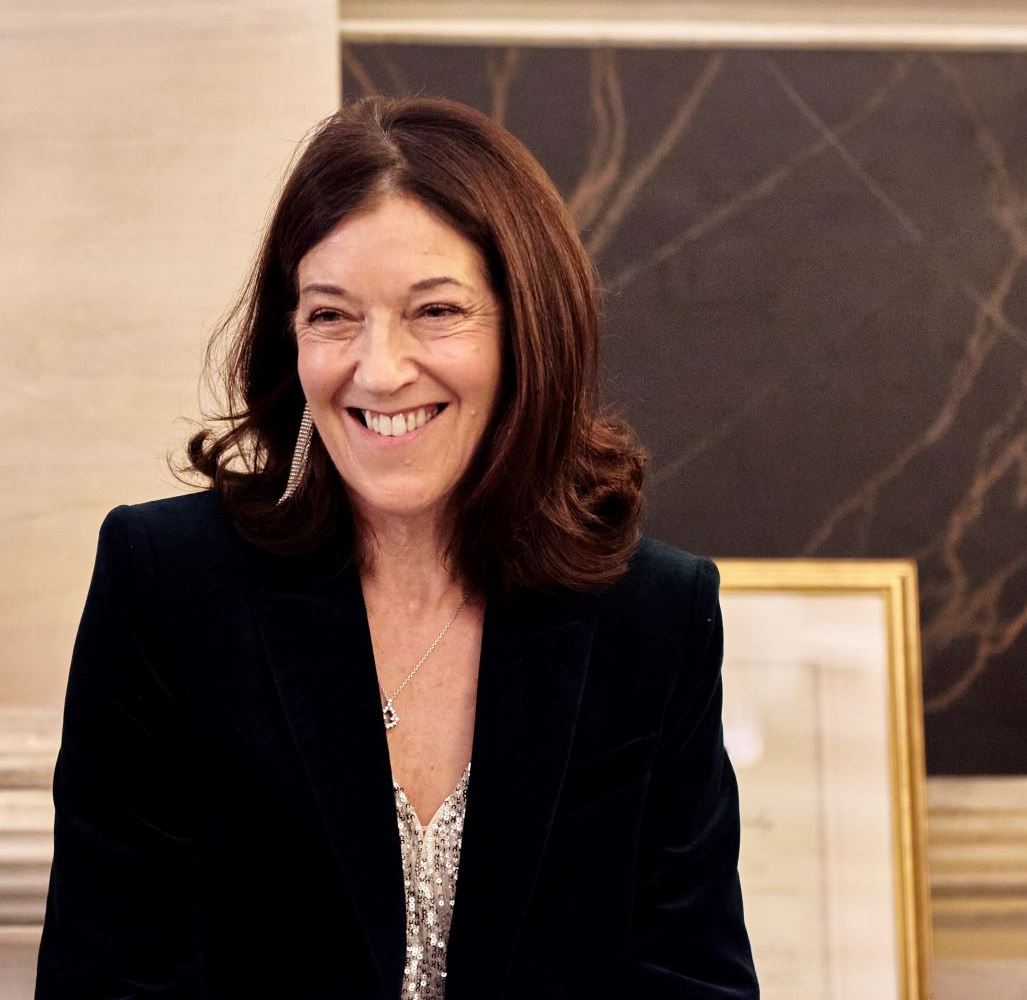
Andrew Billen wrote in The Times:
“In 2001, when Victoria Hislop was in her mid-forties and on holiday with her husband, the Private Eye editor Ian plus friends in Crete, she was discontented. “To be really open about it, that was a trip when I was desperately wanting a third child, as women often do,” she says in the sitting room of their Chelsea home, which is neatly bookcased and pristine but which she promises me she has anxiously tidied up before I arrive.
“It was like a visceral need, but actually I think the need was to create something, and on that holiday, where I was in a very odd mood, I went on that day trip and it came immediately. I felt completely fulfilled by just having that idea.”
That day trip was a boat ride to Spinalonga, an island off Crete’s northeast coast that from 1903 to 1957 served as Greece’s main leper colony. That idea was a novel about Spinalonga’s tragic history through the eyes of a young British woman whose family’s past in Greece had been well-suppressed. The Island was published in 2005 and in the following two decades sold more than five million copies in more than 40 languages.
Hislop is about to publish her tenth and longest novel, The Wine-Dark Sea. Another leper hospital, this time on the larger island of Chios, plays a role, but it is also a story of the Greek civil war, nationalists versus communists, of family separation and displacement and of its protagonists’ Odyssean (hence the book’s Homeric title) determination to be reunited and return home. It is a harrowing, educative, rewarding story and I read its last pages through tears.”
Q&A
- Nana Mouskouri or Demis Roussos? Tough one, but Nana. She is a living legend.
- Parthenon/Elgin Marbles: here or there? Most definitely they should be in the Acropolis Museum. They’re stolen goods and it’s about time the British Museum admitted it.
BCRPM is indebted to Victoria for her support and for continuing to campaign for the reunification of the Parthenon Marbles :”There is a strong and growing belief that many cultural artefacts and treasures should be repatriated to their country of origin. I think it is only a matter of time before all the arguments presented by the UK government and the British Museum itself turn to dust, and the Greek light shines on the Marbles once again.”
Nana Mouskouri did a great deal for BCRPM from the committees inception.
All of BCRPM’s members, past and present, feel that the time to reunite the Parthenon Marbles arrived with the opening of the Acropolis Museum in June 2009.
As the British Museum prepares to refurbish and reimagine the Western Range galleries, Janet Suzman , BCRPM’s Chair continues to lead the campaign aided by Professor Paul Cartledge, BCRPM’s Vice-Chair, with the support of 33 members including Victoria Hislop.